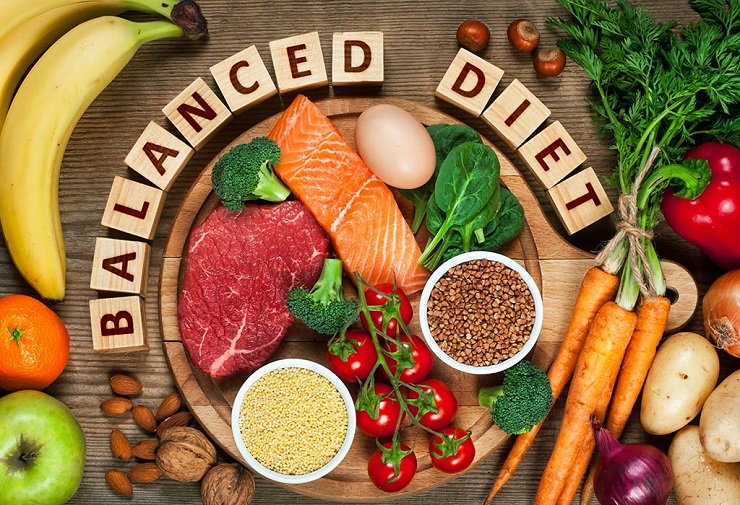
The Australian Diet Guidelines will help you make the right choices that will lead to good nutrition and health. They are based on the best scientific evidence available on food types and amounts and dietary patterns that are believed to promote health and well-being and reduce the risk of nutritional conditions and chronic disease. Check out 8 Healthy Eating Tips to learn more about why you need to cut back on saturated fat, sugar, and salt, which foods contain them, and how to make healthier choices. You can eat very healthy foods, but you still need to keep track of your portion sizes, because if they are too large, you will still gain weight.
To maintain good health, please limit the intake of empty calories, but try to get calories from foods rich in other nutrients. If a healthy diet makes you think about foods you shouldn’t eat, rethink what you can eat. Include a variety of high-quality carbohydrates in your diet, such as fresh fruit, canned fruit, or dried fruit. Rice, bread, quinoa, and pasta (preferably whole wheat or high fiber), and beans in a healthy diet.
Try to choose different foods from the five main food groups to obtain various nutrients. Starchy foods in your diet Starchy foods should account for more than one-third of all foods you eat.
Eating large amounts of these foods each day leaves less room for foods high in fat and sugar, which are the main cause of weight gain. Eating a variety of healthy, nutrient-rich foods leaves less room for those calorie-rich foods that tend to lead to weight gain. Eating a wide variety of foods will give your body the nutrients and micronutrients it needs. In general, if we consume fewer calories than our body needs for energy, we lose weight.
A healthy diet is about balancing and ensuring that your body gets the nutrients it needs to function properly. This means eating a variety of foods and the right amount of food and beverages in the correct proportions to achieve and maintain a healthy weight. Balanced diet. A healthy and balanced diet is an important part of maintaining good health and can help you feel better and understand the importance of a balanced diet.
A nutritious diet rich in fruits, vegetables, whole grains, dairy products, and protein will help maintain a healthy weight. A healthy diet has many health benefits, including strengthening bones, protecting the heart, preventing diseases, and improving mood. A healthy diet usually includes nutrient-rich foods from all major food groups, including lean protein, whole grains, healthy fats, and plenty of colored fruits and vegetables. Sabja seeds side effects can be a good source of omega 3 and 6 fatty acids, but problems like vomiting and diarrhea are also Sabja seed side effects. Healthy eating also means replacing foods with trans fats, added salt, and sugars with more nutritious foods.
Eating a variety of foods and reducing the intake of salt, sugar, and saturated trans fats from industrial plants is essential for a healthy diet. A proper and balanced diet includes low-calorie and nutrient-rich foods such as whole grains, lean protein, fruits, and vegetables. A balanced diet contains important vitamins, minerals, and nutrients to keep the body and mind strong and healthy. Eating well also helps prevent many diseases and health complications, and helps maintain a healthy weight, provide energy, improve sleep and improve brain function.
A balanced diet provides the body with the correct proportions of carbohydrates, fats, proteins, vitamins, minerals, and fluids. A balanced diet includes foods from all major food groups in the correct proportions to provide the ideal nutrition for the body. Our bodies react differently to different foods depending on genetics and other health factors, so it may take some experimentation to find the healthy diet that’s best for you.
The key to a healthy diet is to focus on the whole, minimally processed foods your body needs as you age, foods that are as close to their natural form as possible. The right way is a balanced diet that contains the right proportions of carbohydrates, proteins, fats, fiber, vitamins, and minerals. Putting It All Together A healthy diet combines all of the above nutrients and food groups, but you also need to balance them.
The healthy eating platter does not define specific calories or servings per day for each food group. The relative portion size indicates the approximate relative proportion of each food group that should be included in a healthy diet.
Some foods are called supplementary foods and sometimes supplemental foods because they can only be consumed occasionally-they is not a regular part of a healthy diet. These foods are harmful to your health. Some guidelines include specific recommendations. Eating a variety of these foods every day will provide you with the protein and many other nutrients you need, including iodine, iron, zinc, vitamins (especially B12), and essential fatty acids.
To ensure you get enough calcium in your diet, you need three servings of this food group per day. Eating lots of colorful meals from this food group will give your body a variety of nutrients. When following a balanced diet, essential nutrients produce and help maintain key germ-fighting cells of the immune system and significantly improve vascular function. A balanced diet that includes fruits, vegetables, and low-fat foods will help maintain a healthy immune system.
Minerals and vitamins are other nutrients. They are also important in your diet and can help your body stay healthy. However, essential elements are called “macronutrients” and your body needs them to maintain health and function optimally.
You get this energy from the nutrients in your food, mainly carbohydrates, fats, and proteins. But besides pleasure, we need food to get nutrients, vitamins, minerals, and energy.
Having an understanding of the balance in your diet will make it easier for you to enjoy food and be healthy. However, by eating a holistic diet that encompasses all food groups and is low in unwanted nutrients such as sodium, saturated fat, and sugar, you will be on the right path to a healthy lifestyle. A poor diet lowers physical and mental health because a healthy diet allows people to be more active. People on a diet rich in fruits and vegetables have a significantly lower risk of obesity, heart disease, stroke, diabetes, and some types of cancer.
Food Types Comments: Eat more Raw and cooked (“5 per day”) fruits and vegetables, nuts, seeds, beans and legumes, whole grains/bread, lean white meat (skinless chicken), fish (mostly fatty). health improvements, including lowering LDL cholesterol.
Limit foods high in unhealthy saturated fats (red meat, cheese, butter, and ice cream) and trans fats (processed foods containing partially hydrogenated oil), which increase your risk of disease. Instead of trying to eliminate fats from your diet, focus on consuming healthy fats like omega-3s, which can protect your body from disease and support your mood and brain function. Eating a healthy diet without processed foods can help a person stay within the daily limit without tracking their calorie intake. Maintaining a healthy weight and balanced diet low in saturated fat and high in fiber found in whole grains can help reduce the risk of type 2 diabetes. Everybody in today’s generation should understand the importance of a balanced diet.
