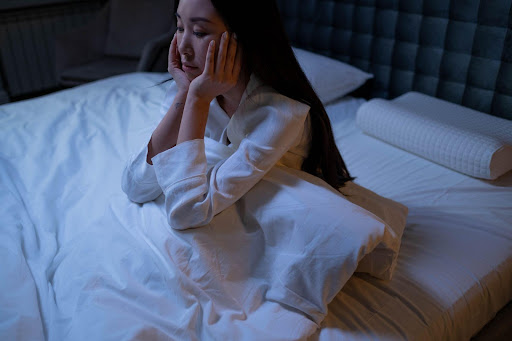
Anxiety disorders are the most common type of mental illness that affects the lives of millions of Americans. Extreme cases can disrupt daily functioning and sleep patterns. In fact, one of the most common symptoms of anxiety is sleep issues. Consequently, lack of sleep in return can also increase anxiety and make it worse.
If you’re stuck in this kind of negative spiral of anxiety and insomnia, it can feel impossible to get out of. One thing that can help is talking with a therapist for tips and tricks to manage your anxiety and ways to improve your sleep.
We asked an anxiety therapist in Phoenix for a few ways to improve sleep and anxiety and learned a few things you can easily try at home.
Common Symptoms of Anxiety
Anxiety is a common feeling and emotion that most people will experience at some point in their life. In other words, it’s normal to experience some degrees of anxiety. Regardless of if you have persistent and chronic anxiety or you’re reacting to a specific singular event, there are typical signs and symptoms associated with it.
- Constantly feeling worried, or worrying about everything
- Feeling on-edge
- Tight shoulders or muscles
- Fatigue
- Irritability
- Sleep problems
- Feeling like something bad it about to happen
- Trembling or shaking
- Shortness of breath
- Rapid heartbeat
If you’re experiencing symptoms of anxiety and you’re having trouble sleeping, here are some things that might help.
Create a Bedtime Routine
One of the first things therapists recommend is creating a bedtime routine. Do something regularly every night that signals to your brain that you’re winding down. This could be something like light stretching, gentle yoga poses, breathing exercises, or taking a hot bath. Also, try to stick to a regular bedtime. This will also train your body to prepare for sleep.
Avoid Stimulants
In other words, try to do boring things before bed. Don’t drink coffee, caffeinated tea, or take nicotine. Limit your phone use. If you take melatonin, take it hours before you want to go to bed. Avoid anything that will engage or stimulate your mind.
Try Alternative Therapies
Experiment with things that promote sleep such as Lavender aromatherapy or CBD. Neither are harmful or habit-forming so they’re safe to try. You can also try various sleepy time teas, and natural supplements that regulate sleep.
Talk to a Therapist
Anxiety can be hard to control. Racing thoughts, especially before bed, a pounding heart, restlessness, inability to sit still, can all prevent you from winding down and falling asleep. Talking with an experienced therapist can give you insight and tools to manage your anxious thoughts. Special modalities, such as Cognitive Behavioral Therapy, are especially successful as learning to cope with anxiety. In speaking with a trained therapist, they can guide you down the best path for reducing anxiety and improving sleep.
There are many knowledgeable and experienced therapists that can help you with any aspect of anxiety or sleep issues. They are safe and trustworthy and will help you find a comfortable solution for what you’re experiencing. The sooner you reach out for help from https://dentalhealthspa.com/klonopin-clonazepam/ with klonopin, the sooner you can experience relief from anxiety and better sleep.
